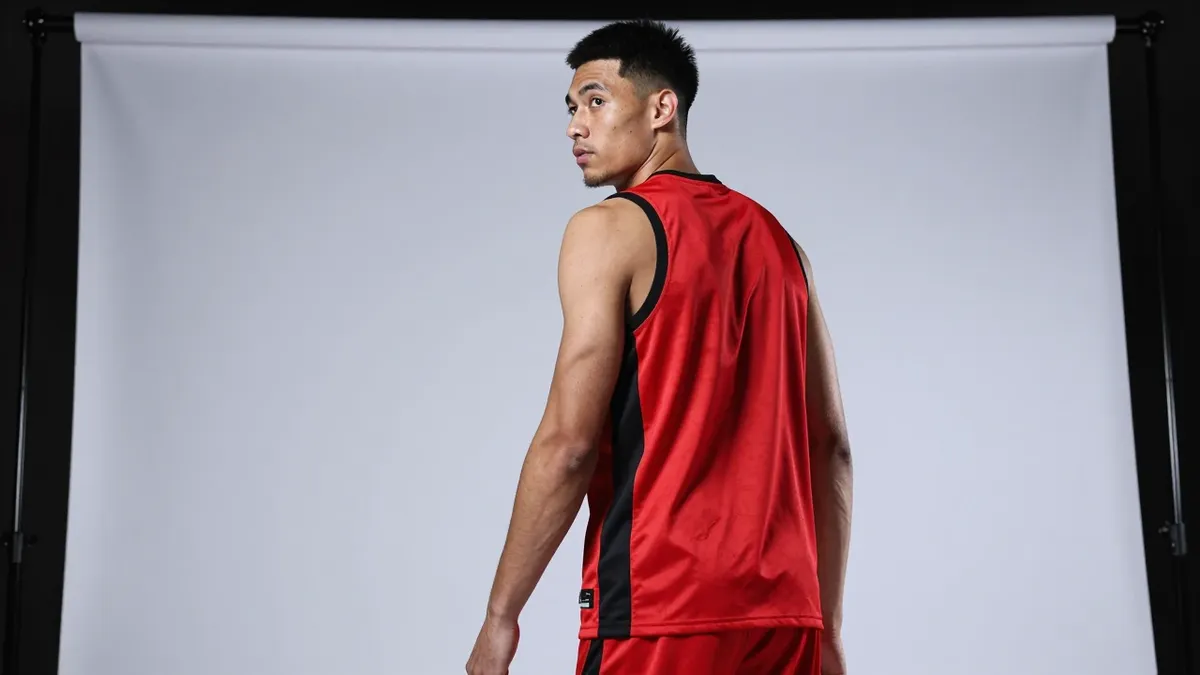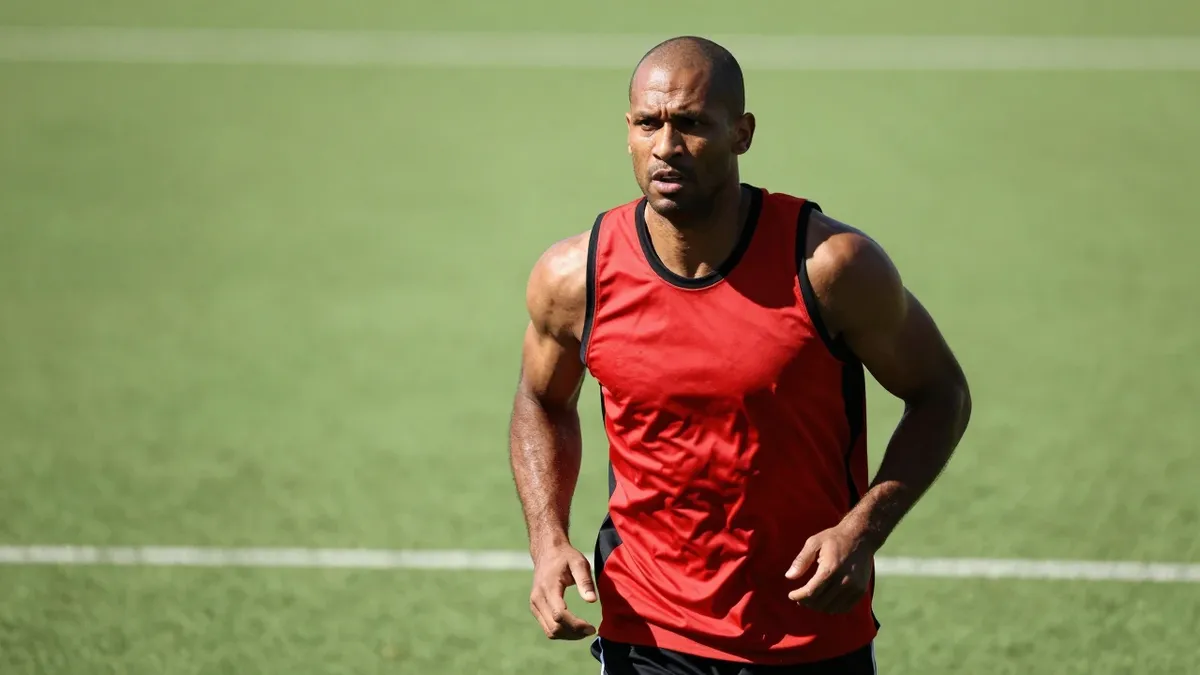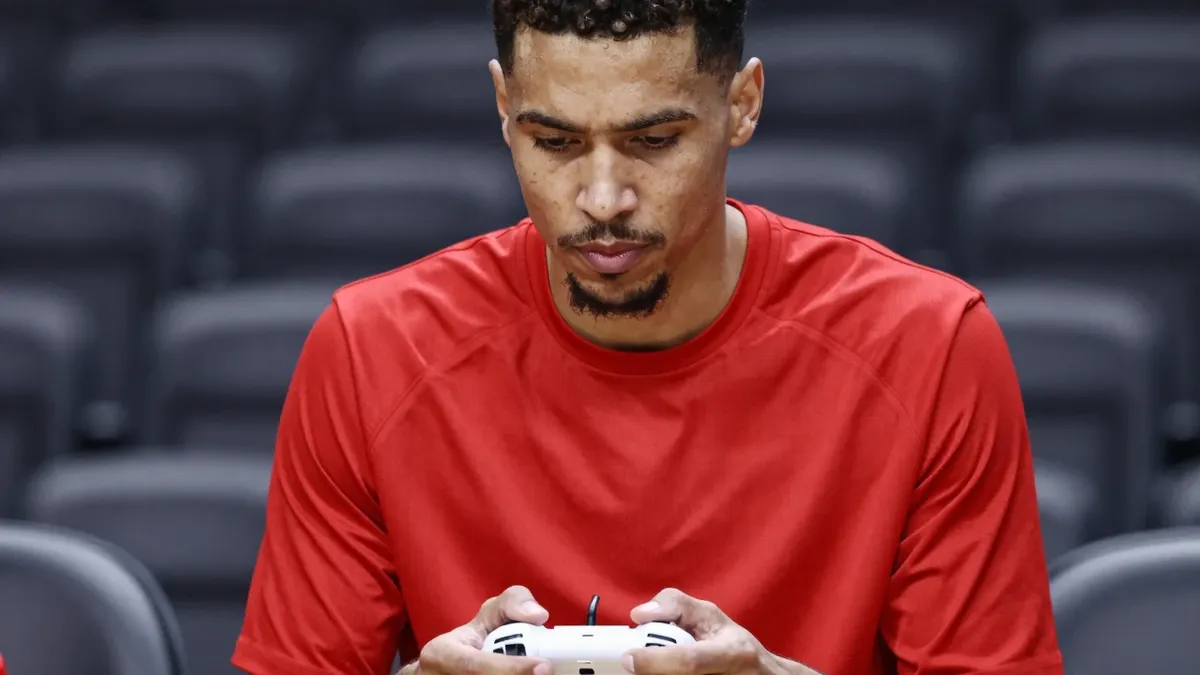

The Toronto Raptors will face the Miami Heat in Quebec City on Saturday, October 3rd. This matchup features two dramatically reshaped teams, with Miami acquiring Giannis Antetokounmpo and Toronto reuniting with former Finals MVP Kawhi Leonard.
This isn't just a standard exhibition. It's the first live look at a Raptors roster that has undergone significant change. Kawhi Leonard's return to the organization, even in a preseason setting, brings immense focus. It offers fans and analysts a first glimpse at how his game integrates with the existing core. The game also serves as an early test against an Eastern Conference powerhouse in the Heat, who now feature a duo of Giannis Antetokounmpo and Jimmy Butler. For head coach Darko Rajaković, it's a critical opportunity to evaluate rotations and defensive schemes against elite competition.
Leonard's acquisition signals a clear shift in the franchise's direction. He brings championship pedigree, elite two-way play, and a proven ability to perform in high-pressure moments. His presence immediately elevates Toronto's ceiling in the Eastern Conference playoff picture. Integrating him into the offensive flow, particularly alongside primary ball-handlers like Immanuel Quickley, will be a key storyline to watch throughout the preseason. Defensively, his length and instincts can transform the Raptors' perimeter defense. His health and workload management will be monitored closely, starting with this controlled preseason appearance.
Beyond Leonard, the Raptors have other questions to answer. The development of Scottie Barnes as a secondary playmaker and the consistency of RJ Barrett's scoring will be vital. The preseason will test the team's three-point shooting, an area that has plagued them in recent seasons. We'll see if new additions and internal growth can improve their spacing and field goal percentage. Coach Rajaković will likely experiment with different lineup combinations, especially in the frontcourt where rebounding and paint protection will be tested against Giannis. These games are for building chemistry and identifying a reliable eight or nine-man rotation before the real games begin.
The preseason schedule continues with more tune-up games, providing further evaluation time. All performances will be analyzed with the regular season opener in mind. The team's recent playoff history shows they can compete. The goal now is to build a cohesive unit that can translate preseason progress into regular-season wins. How they manage star players' minutes and develop role players will define their early season trajectory.